Welcome to Papua Bird Club
PAPUA BIRD CLUB IS DEDICATED TO THE PROMOTION OF CONSERVATION, THE PROTECTION OF BIRDS, AND THE SUPPORT OF LOCAL COMMUNITIES IN PAPUA.
Papua Bird Club was founded by Kris Tindige in 1995 as a non-profit organization committed to helping local Papuan communities and conserving the forests and bird life of Papua through ecotourism. Since then, it has metamorphosed into two wings: Magnificus Expeditions, a registered company which offers birding-based eco-tours throughout West Papua, and Papua Konservasi dan Komunitas, a registered Indonesian yayasan (non-profit foundation) which runs community development and capacity-building programs throughout Papua focused on linking conservation and community development through ecotourism.
These two sister organizations work hand in hand to promote both conservation of Papua's forests and bird life and help Papuan communities improve their lives. Papua Konservasi dan Komunitas programs help the local people develop the skills and understanding to work successfully and independently in the ecotourism market, and Magnificus Expeditions brings them the opportunity to use and directly benefit from those skills through the birding tours it brings to their communities.
For more information about our birding tours, please visit www.MagnificusExpeditions.com.
For more information about our community work, please visit www.papuakonservasi.org.
THANK YOU FOR YOUR VISIT!
|
|
Sir David Attenborough
" I too have such personal debts of gratitude. Among those I should wish to thank are David Gibbs and Kris Tindige in Irian Jaya ... "
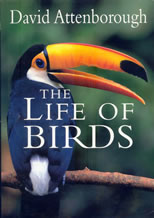
David Attenborough The Life of Birds, David Attenborough Productions Ltd., 1998. Also author of many wildlife books
|
 |
Last Updated:
|

.jpg)

